
Why Have a Wedding at All? Understanding the Purpose Beyond the Marriage License
Understanding the Purpose of Gathering, Celebration, and Guest Experience
Not every couple wants a traditional wedding.
Some choose to elope. Others visit the courthouse and celebrate quietly afterward. For many couples, those options are exactly right.
A wedding does not have to include 150 guests, a dance floor, or months of planning to be meaningful.
At the same time, many couples feel almost embarrassed to admit they want a traditional wedding. In a culture that increasingly values simplicity, efficiency, and budget-conscious decisions, it's common to hear questions like:
"Why spend that much money on one day?"
"Wouldn't it be easier to just elope?"
"Why not use the money for a house instead?"
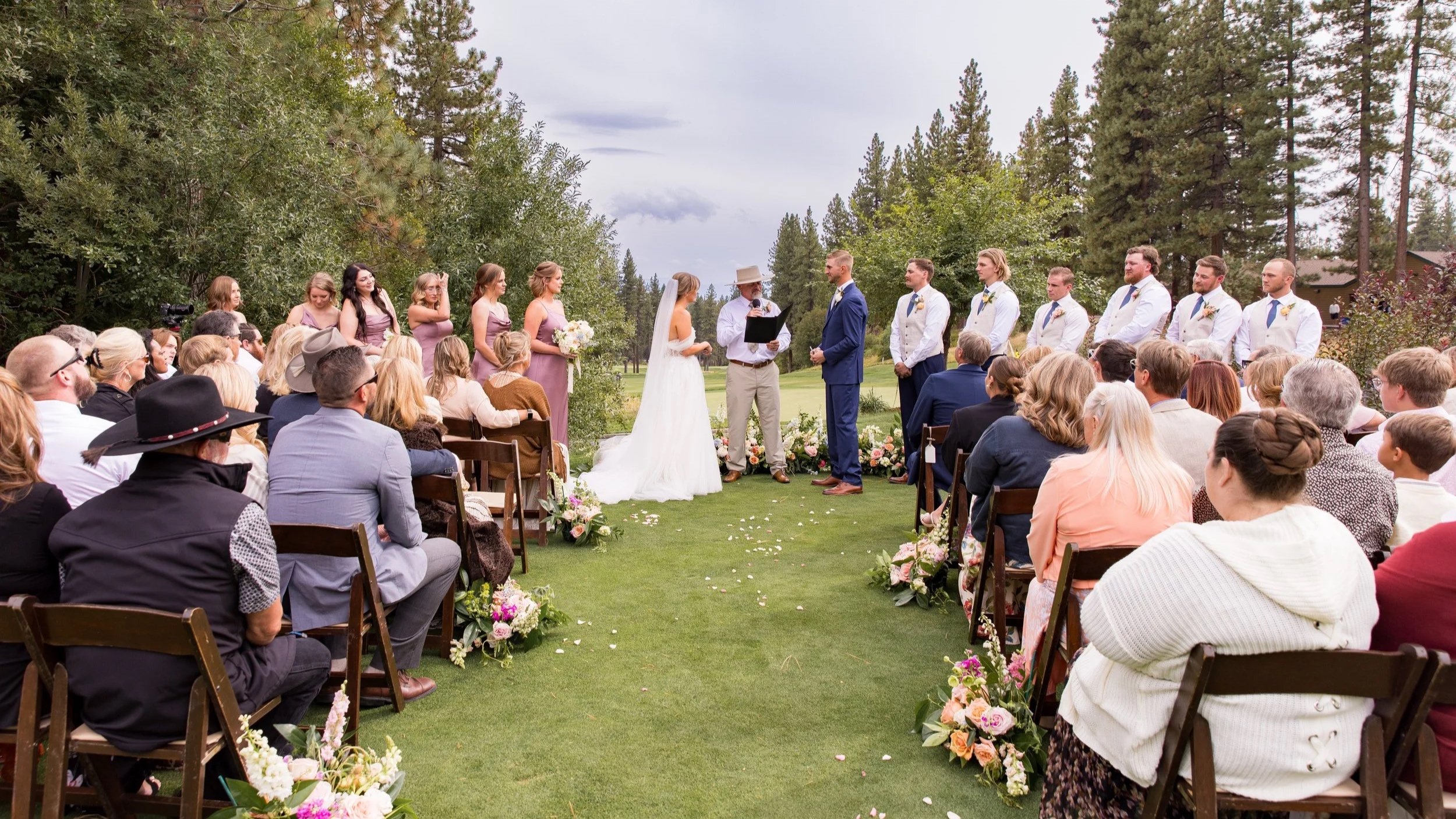
All reasonable questions, but they are overlooking that there is more to a wedding than legal formality. The marriage license makes the marriage legal, and the wedding gathers a community to witness it.
People Have Always Marked Major Life Transitions
Long before wedding venues, Pinterest boards, and seating charts existed, communities gathered to recognize significant life moments, like births, coming-of-age ceremonies, graduations, funerals, marriages.
These events serve a purpose beyond logistics. They create a shared experience that helps people recognize change, celebrate milestones, and strengthen relationships.
Marriage is one of the few life events that fundamentally changes how two people move through the world. For many couples, inviting loved ones to witness that commitment feels important.
A wedding can be a way of saying, "These are our people, and we want them here for this moment."
A Wedding Is a Public Commitment
There is also a meaningful difference between making a promise privately and making it publicly.
When couples choose a traditional ceremony, they are often inviting others to witness their commitment and support their marriage moving forward.
That public acknowledgment has existed across cultures and generations for a reason.
Marriage affects more than two individuals. It joins families, friendships, traditions, and communities.
A wedding provides a space for people to recognize and celebrate that transition together.
The Celebration Matters Too
Some discussions about weddings frame celebration as unnecessary. As though the only thing that matters is the legal paperwork.
Most people would agree that marriage matters more than a wedding. But that doesn't mean celebration lacks value.
Celebration is one of the ways people express gratitude, joy, and connection.
Marriage is a significant milestone, and many couples simply want to acknowledge it in a meaningful way.
There is nothing frivolous about gathering people you love to share a meal, raise a glass, and celebrate a new chapter together.
If You Choose a Traditional Wedding, Guest Experience Matters
Once a couple decides they want to host a wedding, the focus naturally shifts from whether to host an event to how to host it well.
Guest experience is often misunderstood as luxury upgrades or expensive extras. In reality, guest experience is hospitality. It’s thinking about how people will move through the day. It’s considering comfort, communication, and logistics.
Guests rarely remember whether centerpieces were twelve inches tall or sixteen inches tall.
They remember whether they felt welcomed, if they were comfortable, if the event felt thoughtful and enjoyable.
Good Logistics Create Good Experiences
Many wedding frustrations have very little to do with aesthetics. They come from logistics.
Guests get uncomfortable when there are long gaps between ceremony and reception, confusing directions, insufficient seating, no shade during a summer ceremony, etc.
These details may seem small individually, but collectively, they shape how guests experience the celebration.
The most beautiful wedding in the world can still feel difficult if guests are uncomfortable or confused.
Guest Experience Is an Extension of Gratitude
Attending a wedding often requires a significant investment from guests. They may travel, book hotels, arrange childcare, take time off work, purchase attire, and bring a gift.
A comfortable chair, clear timeline, good meal, accessible parking, or thoughtful transportation plan communicates appreciation in a tangible way.
Choosing What Matters Most
There is no universally correct way to get married.
For some couples, eloping is exactly the right choice.
For others, a courthouse ceremony followed by dinner with family feels perfect.
For others, gathering everyone they love in one place feels worth the investment of time, money, and effort.
The most meaningful choice is usually the one that aligns with your values rather than someone else's expectations.
If you decide to host a wedding, it helps to remember that the event is about more than décor, timelines, or traditions. It’s an opportunity to gather your community, celebrate an important commitment, and create an experience that reflects who you are as a couple.
When viewed through that lens, guest experience stops being an optional detail, it becomes part of the purpose of hosting the celebration in the first place.
At Bloom Events, our Event Mapping sessions are designed to help couples identify priorities, create a planning strategy, and make confident decisions before the overwhelm sets in. It's one of the most effective ways to build a wedding plan that reflects what matters most to you.